Your Cart is Empty

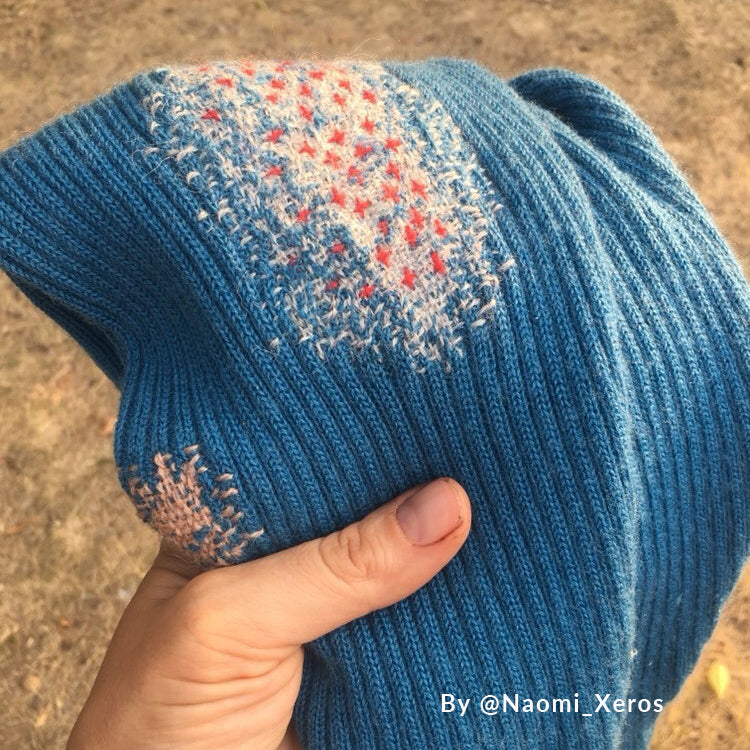
Loved clothes last. We want to help you get the best from your Woollykins for years to come.
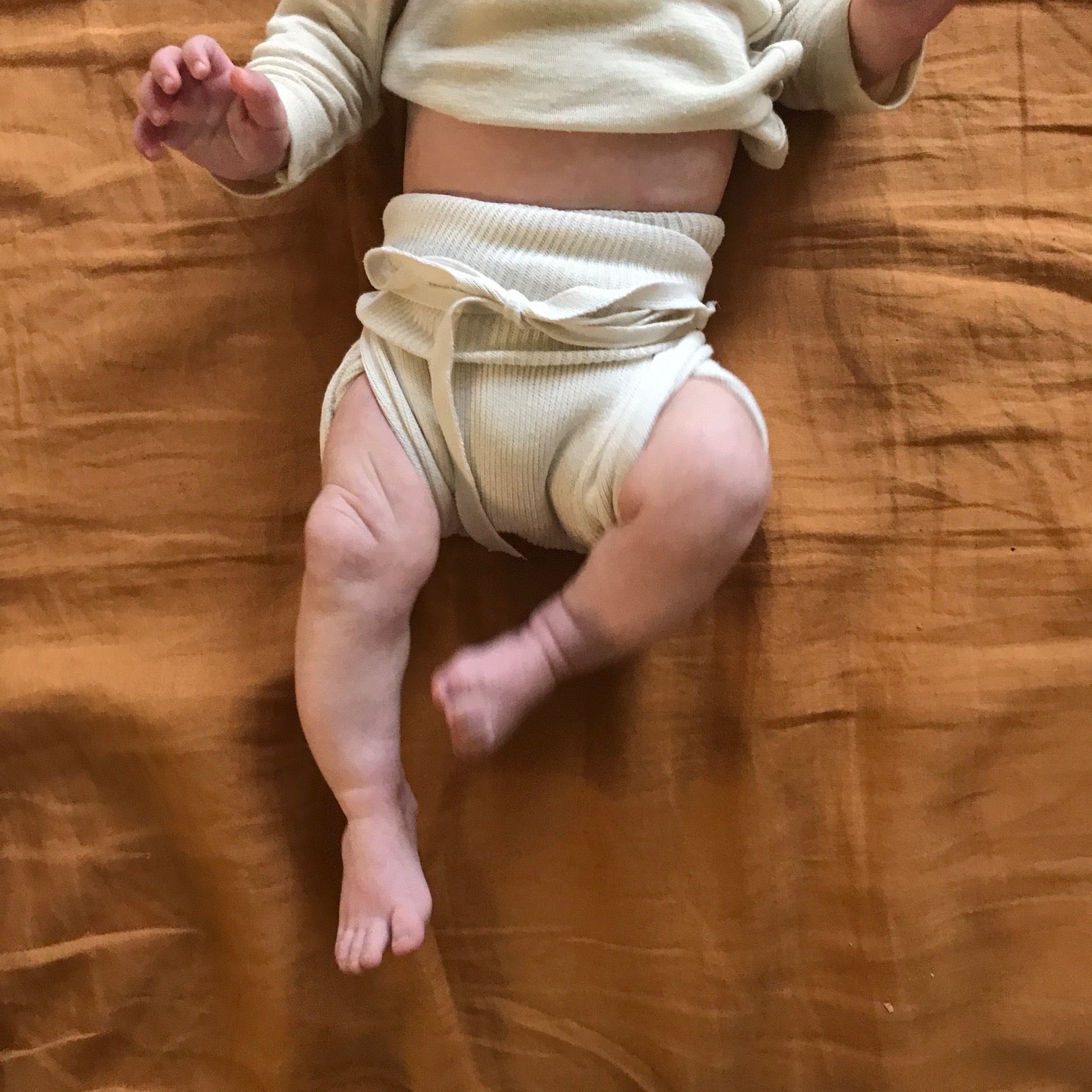
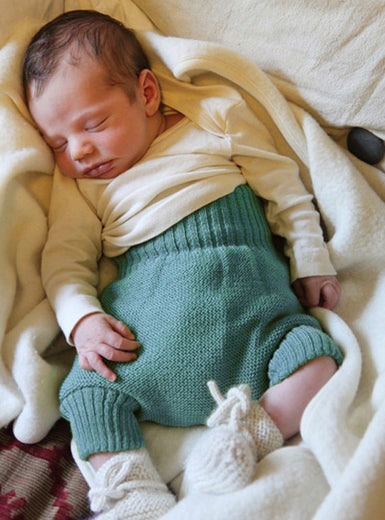
We love Disana's cloth nappy system. 100% organic and plastic-free for natural, toxic-free nappying. We used the Disana system for all three of our babies.
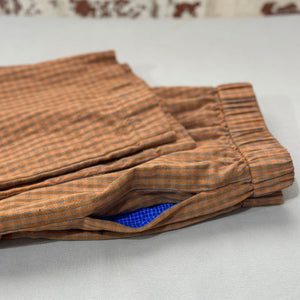
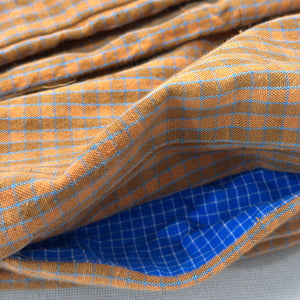

New! Umiform women's lightweight Market Pants, made from 88% organic cotton and 12% linen. The lovely light 185gsm blend makes these pants perfect for summer wear. Featuring a gorgeous dusky terracotta check with sky blue detail.
A comfortable, relaxed wardrobe staple, designed to be worn everyday. Great for summer with a tee or tank or layered under a dress. Equally lovely in the cooler months worn over merino leggings with a merino long sleeve top.
Sizes: (Women's) Small-Medium (8-12), Large-XL (14-16+)
Measurements in cms: taken FLAT - measure a similar shape garment in your wardrobe flat to compare. Double measurement for circumference.
| S-M (8-12) | L-XL (14-16+) | |
| Waist (un-stretched) | 37 | 39.5 |
| Rise | 37 | 39.5 |
| Length | 90.5 | 95 |
| Inseam | 57 | 62 |
Brand: UMIFORM
Designed in: Castlemaine
Made in: Melbourne, Australia
Origin of fibre: India
Fabric structure: 88% organic cotton, 12% linen (150gsm)
100% Biodegradable: Yes
Machine Washable: Yes
Care: max 30º gentle machine wash. Line dry. Iron if preferred. NB. For the first couple of washes, place the fabric in the washing machine drum at 30 or 40 degrees with a handful of table salt. This will help fix the dye to prevent it running.
--
UMIFORM designs and makes utilitarian clothing for mothers who appreciate beautiful textiles. Handmade in small batches in Melbourne with a waste-free production - all surplus fabric going into childrenswear and darning kits.
--
More about linen:
Linen is naturally stain resistant, does not pil, and is moth repellent. It is easy to wash and is a very strong fibre.
It is anti-bacterial, anti-fungal, hypo allergenic and thermoregulating, it will also absorb up 20% moisture before feeling damp.
Flax is a strong plant best grown in northern Europe. It needs little or no fertilisers and due to the local climate, little extra water. It doesn’t really require pesticides either as it can grow in poor quality soil. The Advisory Commission Report to the European Parliament stated that flax cultivation has positive effects on eco-system diversity as it allows for an “environmental pause”. One hectare of flax can retain 3.7 tonnes of CO2. Every part of the plant is used, what isn’t used to produce linen can be used to make linseed oil, paper, cattle feed or even soap.
Linen is therefore almost naturally organic. It is completely biodegradable, recyclable and due to its natural absorbency, it requires less dye than cotton. Linen therefore scores high on the ecological chart.