Your Cart is Empty


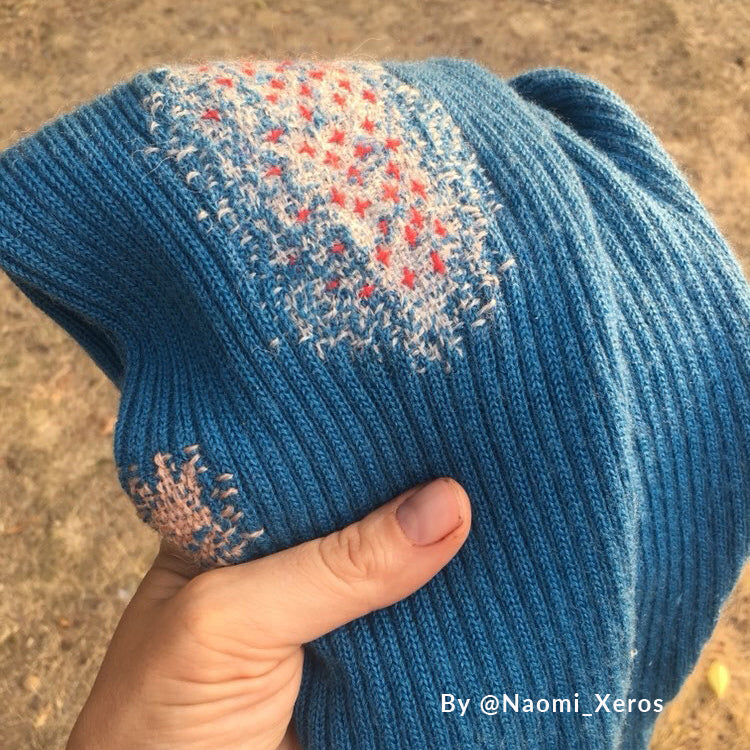
Loved clothes last. We want to help you get the best from your Woollykins for years to come.
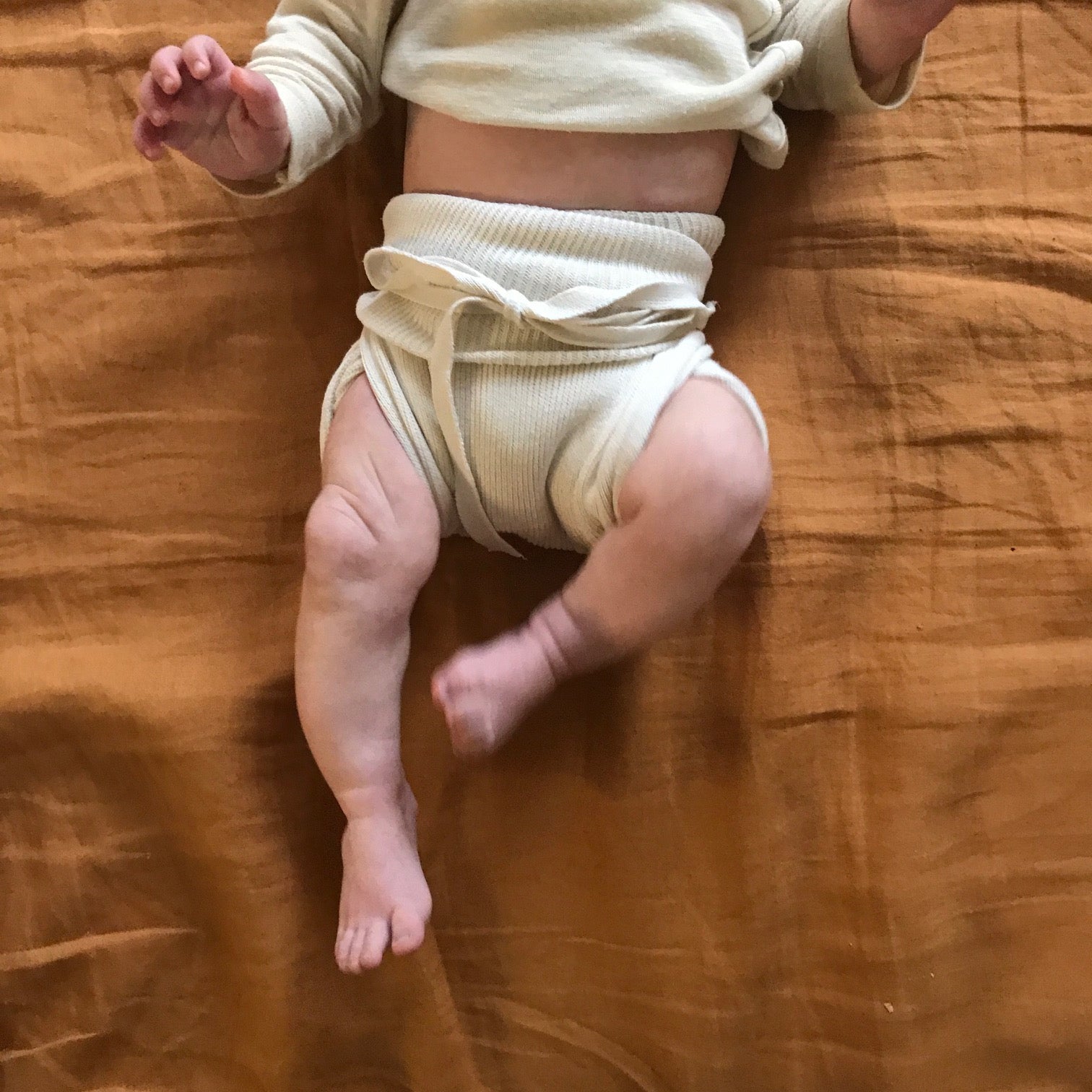
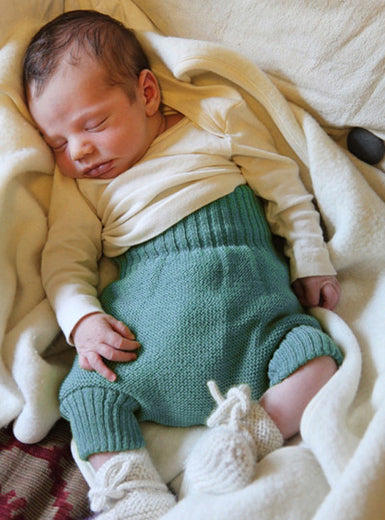
We love Disana's cloth nappy system. 100% organic and plastic-free for natural, toxic-free nappying. We used the Disana system for all three of our babies.


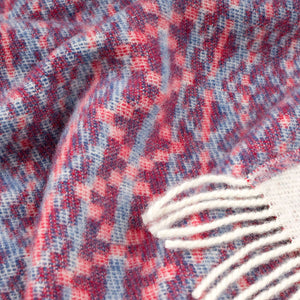


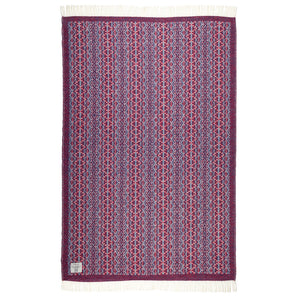


* New! Snuggly wool throw woven in a beautiful pattern inspired by traditional Swedish weaving techniques.
This truly gorgeous 100% wool blanket is made in Sweden by Öjbro Vantfabrik and dyed in subtle natural colours. It’s made from wool sourced from a special sheep breed that crosses Merino with Perendale, creating a thicker, more durable wool while retaining the softness of Merino.
Suitable for all seasons, this versatile throw works beautifully for everyday family use. Ideal for the couch, cosy evenings at home, or as an extra layer on the bed.
A classic wool blanket with decorative fringes, Öjbro’s wool blankets are thick and compact in structure, woven in multiple layers for warmth and durability. The warp is concealed by the patterned weft, which also forms the fringes at each end.
Woven on jacquard looms, the pattern appears clearly on both sides, with the reverse forming a mirror image of the front. Excluding the fringes, the blanket measures almost exactly two metres in length, resulting in a firm yet soft wool throw with a beautifully balanced feel.
Öjbro Vantfabrik is dedicated to preserving and sharing Swedish knitting heritage. The Lycksele pattern is inspired by the traditional weaving technique 'Västerbotten-drällen', the striped patterns used by the Sami people, and the Öjbro family's history in the town of Lycksele. This design is also available in a small blanket 90x130cm, Merino socks, kneehigh socks, mittens, handwarmers, and beanie. See below to read the Lycksele story.
Colour: Lycksele
Size: 200 x 130cm
Brand: Öjbro Vantfabrik
Designed in: Sweden
Origin of Fibre: New Zealand
Country of manufacture: Sweden
Fabric structure: 100% mulesing-free wool, sourced from a special sheep breed that crosses Merino with Perendale to create a thicker, more durable wool while retaining the softness of Merino.
100% biodegradable: Yes
Machine Washable: Yes (see our guide to washing wool)
Care: Handwash using a gentle wool shampoo recommended for best results. To machine wash, choose a cold wool cycle, skipping the spin cycle. Dry flat on a towel, gently reshaping while wet. Do not tumble dry. Wool feels comfortable and dry, even when you sweat. It can absorb a lot of moisture (up to 33% of its dry weight). Air between uses, wash only when required.
The story of the Lycksele pattern: Designer Åse Öjbro, founder of Öjbro Vantfabrik, has created this pattern with inspiration from Sami culture and the city of Lycksele's history.
In the words of Åse Öjbro: "When creating the pattern Lycksele, I was inspired by the traditional weaving technique 'Västerbotten-drällen'. I wanted to include a Sami connection, which resulted in Sami-inspired stripes in the pattern. It's been a joy to create this pattern, especially in combination with Öjbro's family history."
Until the 1600s, there were no established townships in Southern Lapland. In 1607, King Charles IX designated the site of Öhn (present-day Gammplatsen) as a church and market place in Southern Lapland. Lycksele celebrated its 400th anniversary in 2007. Lycksele was granted town rights in 1946, becoming the first town in Lapland. The city is called "Lappstockholm" and markets itself as "the city of Lapland" to emphasize its historical role as Lapland's first city and an early, important meeting place.
The Sami are an ethnic minority originating from Norway, Sweden, and Finland. The Sami Parliament, a parliament in which Sami people have the right to vote, was recognized and established by the government in Norway in 1989, in Sweden in 1993, and in Finland in 1996.
The story of Sven Öjbro's house by Elisabet Lindgren, Lycksele:
"From "Joppe's," it wasn't a long walk to Sven Öjbro's timbered house. The house with rough logs originally came from the village of Ekorrsjö and was an inn/shooting lodge, built at the beginning of the 1900s. Here travelers, traders, fishermen, and hunters met on their journey upstream or downstream between Umeälven and Vindelälven to rest, eat, do business, or change horses.
When the obligatory markets in autumn and winter in Lycksele occurred, all the rooms of the inn were overcrowded. At the end of the 1800s, the house was timbered at this new location in Villarydsbacken and taken over by John Gustaf Johansson with his wife Berta Karolina. His wife, Berta Karolina, died in childbirth in 1901 when their only son, Sven, was born. He grew up and took the name Öjbro.
Many in Lycksele took new names at that time; locally, Öjbro means "crossing the bridge." Sven eventually inherited the house together with his wife Elma. He was a machinist at Hällforsen power station during the 1930s, and many remember his peculiar laugh — he kind of snorted gently through his nose when he laughed.
Elma, on the other hand, could be heard more widely. Not for nothing was she called "The horror of Villaryd" because of her very powerful voice, and she could be heard calling her kids far and wide, saying, "Come in and eat!"
There were often renters in the house over the years. The hospitality function of the house remained in people's memories until well into the 1950s, and many spent the night at Sven Öjbro's on market weekends. After Elma's death in 1960 and his own retirement, Sven devoted himself to self-sustainability.
For a while, he kept a pig in the stable part of the farmhouse and grew potatoes on the slope down towards the road. Sven kept a close eye on when it was time to plant potatoes in early summer. I remember how he daily took the temperature of the Earth in the potato patch. He also did woodworking in the courtyard.
Early on Saturday mornings, the people of Villaryd could wake up to the sound of the woodcutter and Sven starting up: wiiiiiii, wiiiiiiii. It was a proper wake-up call, especially if you had been out the night before!"
Sven Öjbro died in 1981, and today the house stands along Affärsgatan at Gammplatsen, now converted into a general goods store.