Your Cart is Empty


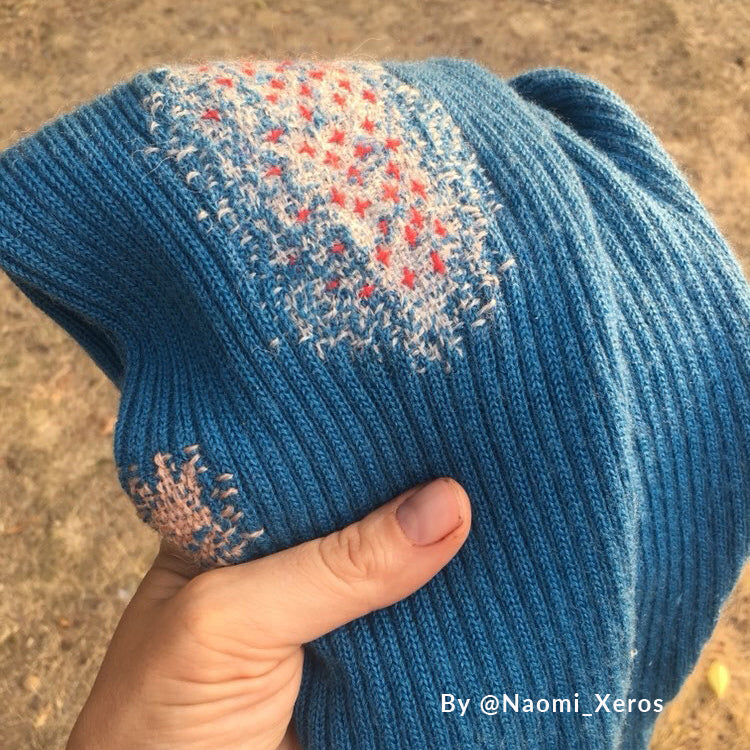
Loved clothes last. We want to help you get the best from your Woollykins for years to come.
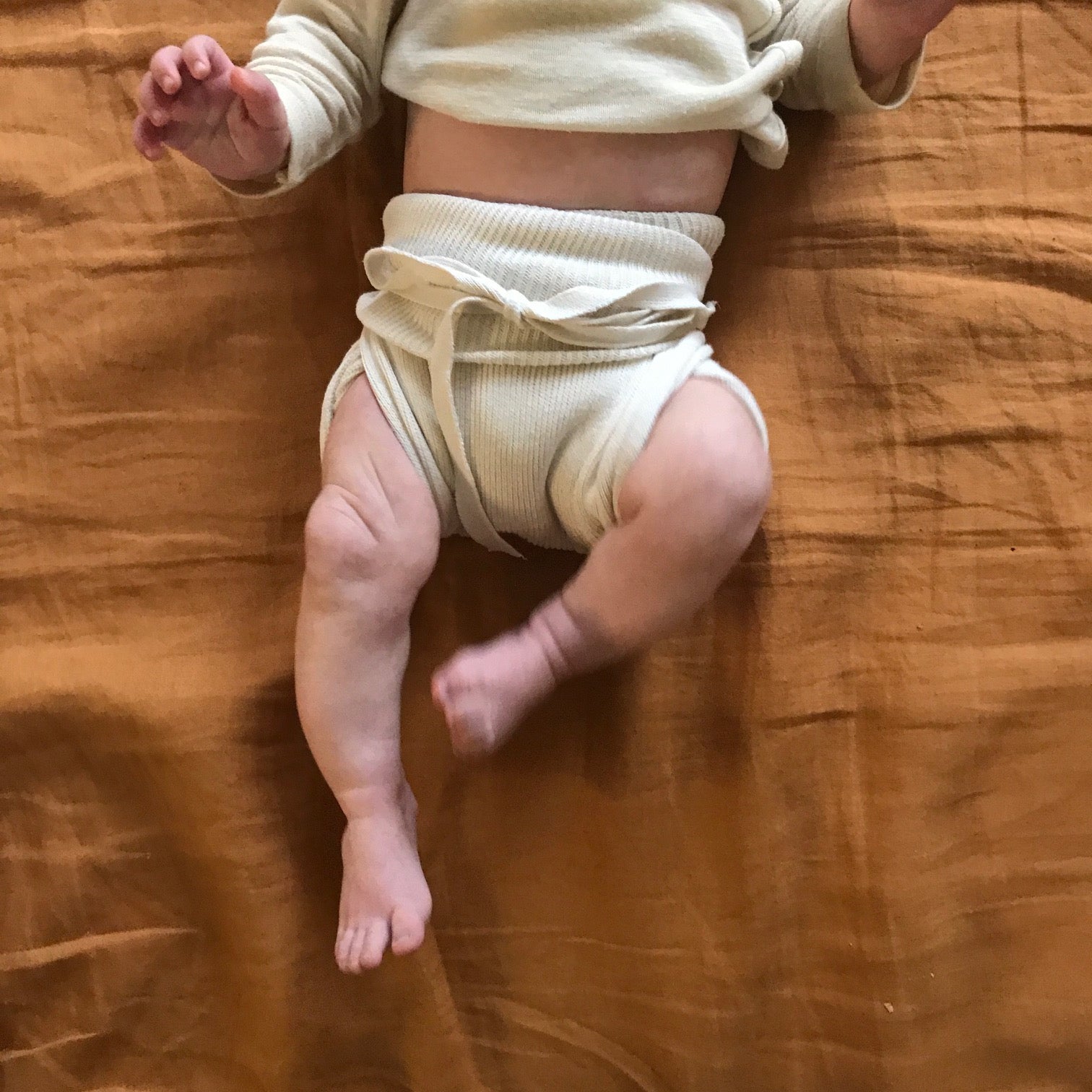
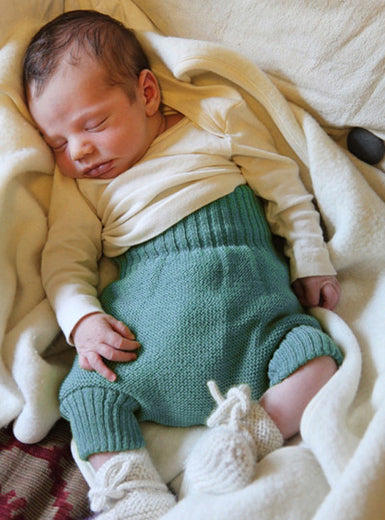
We love Disana's cloth nappy system. 100% organic and plastic-free for natural, toxic-free nappying. We used the Disana system for all three of our babies.


*New! Snuggly Merino wool socks for winter, knitted in patterns inspired by traditional Swedish motifs.
Gorgeous fine merino socks made in Sweden by Öjbro Vantfabrik. Knit with reinforced heel & toe for extra strength, and dyed in subtle natural colours. Wonderfully cosy for home, work, or out and about.
Öjbro Vantfabrik is dedicated to preserving and sharing Swedish knitting heritage. Each pair of beautiful jacquard knit socks features a design drawn from traditional patterns and personal stories.
The Scania design celebrates the history and culture of Skåne, Sweden's southernmost county. The rust colourway of the Scania design was created to talented textile artist Märta Måås Fjetterström. See below to read the Scania story.
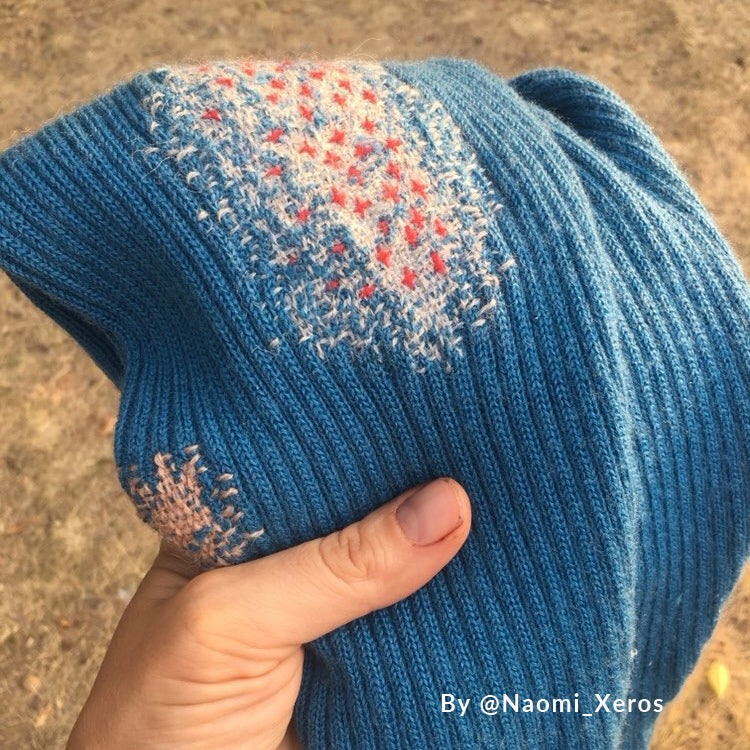
*Buy a pair of adults' socks, get 20% off our Sock Darner's Kit. A wonderful gift for sock lovers, wool lovers and Zero Wasters everywhere! Learn the age old art of darning your socks.
Colour: Scania Rust
Sizes: EU 34/37, EU 38/41, EU42/45
About the fit: Öjbro socks are jacquard-knitted: this is stranded colourwork characterised by floats on the inside which carry the coloured yarns and create such intricate patterns. This means each pair gets its own little personality. It also changes the thickness of the sock, and affects the fit. Some socks fit a bit slimmer, others a bit more “hug-friendly.” Wondering about the fit? See below:
Fit advice:
How to put them on:
Because jacquard socks have floats on the inside, we recommend you put your socks on like your mum used to do for you when you were a child. Bunch them up to the toe, put your foot in place and then unravel the rest of the sock up your leg. Don’t try to just shove your whole foot in from the cuff as your toes might catch some of the floats!!
Brand: Öjbro Vantfabrik
Designed in: Sweden
Origin of Fibre: Italy
Country of manufacture: Sweden
Fabric structure: Knitted from Merino wool with Lycra, reinforced in toe and heel with Polyamide (80% Merino - mulesing free, 5% Lycra, 15% Polyamide)
100% biodegradable: No
Machine Washable: Yes (see our guide to washing wool)
Care: Handwash using a gentle wool shampoo recommended for best results. To machine wash, choose a cold wool cycle, skipping the spin cycle. Dry flat on a towel, gently reshaping while wet. Do not tumble dry. Wool feels comfortable and dry, even when you sweat. It can absorb a lot of moisture (up to 33% of its dry weight). Air between uses, wash only when required.
The story of the Scania pattern:Scania (Skåne), is Sweden’s southernmost region and one of the country’s most fertile areas. It is often referred to as Sweden’s pantry and consists largely of fields and meadows, as much as 70 percent of the landscape is arable land. Skåne has played a major role in Sweden’s history, especially during the Middle Ages when herring fishing in the Öresund laid the foundation for the internationally important Scania market in Skanör and Falsterbo. The region is also rich in cultural heritage and historic buildings. Among its roughly 240 castles and manor houses is Hovdala Castle, whose history reaches back to the 1500s. The castle burned down in 1678 but was rebuilt by Jöns Mickelsson. He was later ennobled under the name Ehrenborg, and Hovdala Castle belonged to his family for nine generations. Today, the castle is a national heritage site.
In the words of designer Åse Öjbro, founder of Öjbro Vantfabrik, "Scania to me is a pattern that captures the essence of my beloved Skåne, a tribute to Sweden’s beautiful garden. Through this pattern, I wanted to capture the proud spirit that characterises Skåne, symbolised by the stately red deer. Skåne is a rich region in many ways, from significant industries such as Trelleborg, Tetra Pak and Perstorp to culinary treasures such as Kivik’s apples and cider, spettekaka, black soup, and the traditional goose dinners."
Åse Öjbro created the rust colourway of the Scania pattern to honour the talented textile artist Märta Måås Fjetterström and her remarkable work.
In Båstad, Skåne, we find Märta Måås Fjetterström’s studio. Märta Måås, 1873 to 1941, has been described as an innovator of Swedish textile art, and her work remains relevant today. Trained as a drawing teacher, she worked at Kulturen in Lund and at Svensk Hemslöjd in Malmö. From an early age she began drawing sketches for weaves, which would later become her life’s work.
At the Baltic Exhibition in Malmö in 1914, she was noticed by Ludvig Nobel, who acquired her work Hjorthagen and encouraged her to open her own studio in Båstad. There, Märta Måås Fjetterström created more than 700 sketches for carpets and weaves, still woven by hand in wool and linen, with dyes from the studio’s own dye house. After her death in 1941, a sketch with the words Be in good spirits lay on the worktables, but it never had time to be woven. Her work continues to inspire and is celebrated as part of Sweden’s textile heritage.