Your Cart is Empty


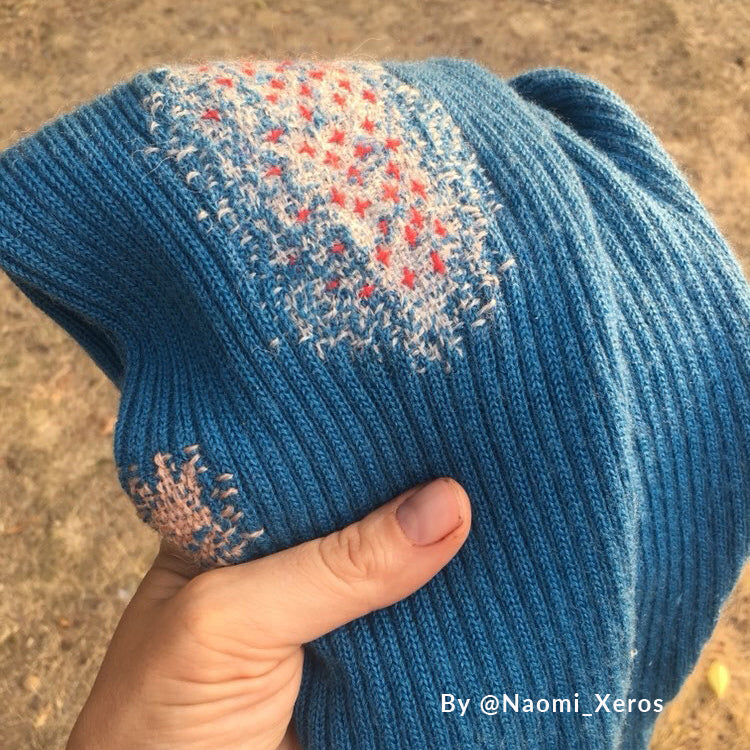
Loved clothes last. We want to help you get the best from your Woollykins for years to come.
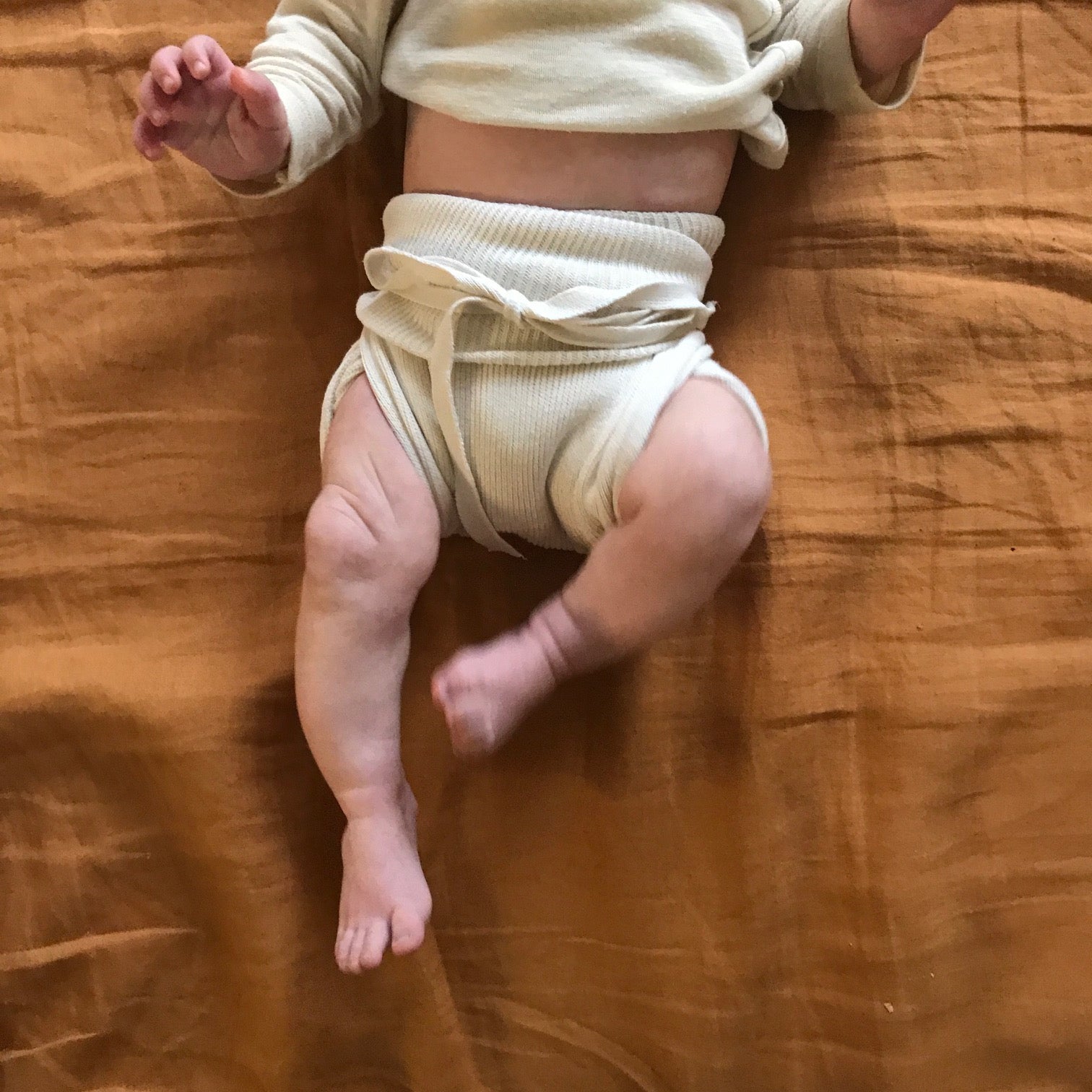
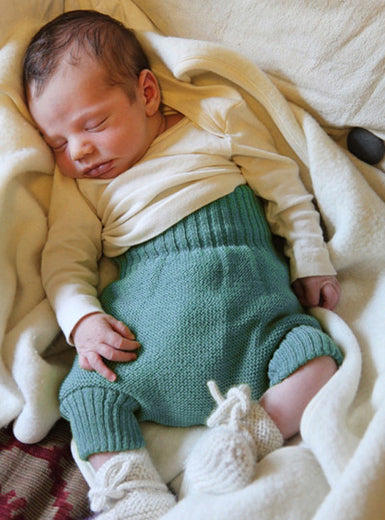
We love Disana's cloth nappy system. 100% organic and plastic-free for natural, toxic-free nappying. We used the Disana system for all three of our babies.
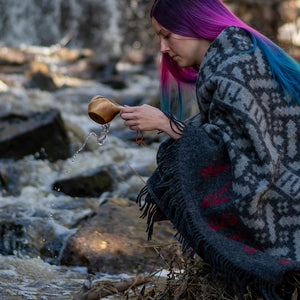
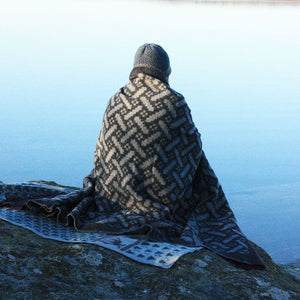
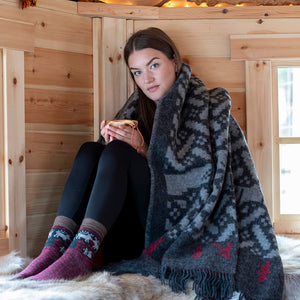
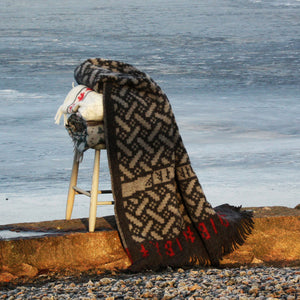
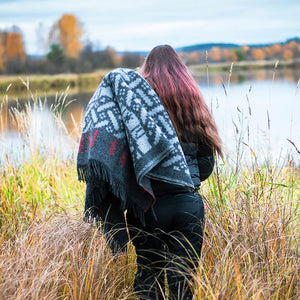
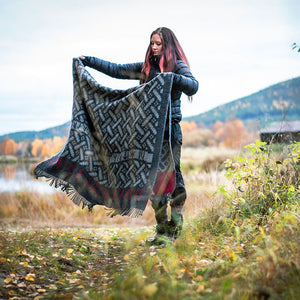
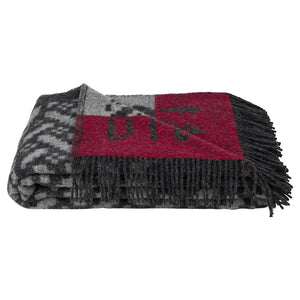
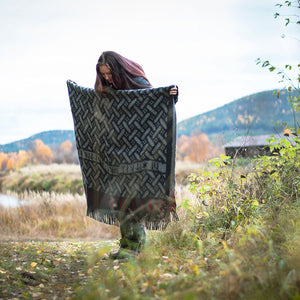
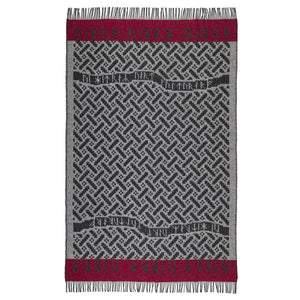
* New! Snuggly wool throw woven in a beautiful pattern inspired by Swedish cultural heritage.
This truly gorgeous 100% wool blanket is made in Sweden by Öjbro Vantfabrik and dyed in subtle natural colours. It’s made from wool sourced from a special sheep breed that crosses Merino with Perendale, creating a thicker, more durable wool while retaining the softness of Merino.
Suitable for all seasons, this versatile throw works beautifully for everyday family use. Ideal for the couch, cosy evenings at home, or as an extra layer on the bed.
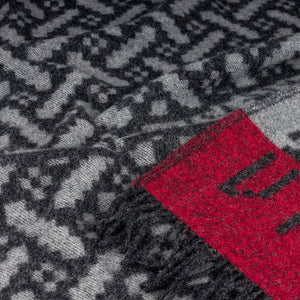
A classic wool blanket with decorative fringes, Öjbro’s wool blankets are thick and compact in structure, woven in multiple layers for warmth and durability. The warp is concealed by the patterned weft, which also forms the fringes at each end.
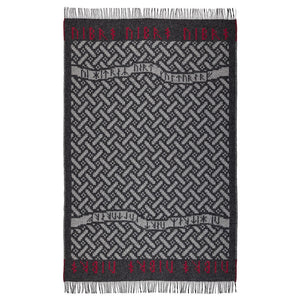
Woven on jacquard looms, the pattern appears clearly on both sides, with the reverse forming a mirror image of the front. Excluding the fringes, the blanket measures almost exactly two metres in length, resulting in a firm yet soft wool throw with a beautifully balanced feel.
Öjbro Vantfabrik is dedicated to preserving and sharing Swedish textile heritage. The Futhark pattern is created with Swedish cultural history and symbolism in mind, and features the phrase “We honour our cultural heritage” woven in Futhark runic script. This pattern is also available in kneehigh socks. See below to read the Futhark story.
Colour: Futhark
Size: 200 x 130cm
Brand: Öjbro Vantfabrik
Designed in: Sweden
Origin of Fibre: New Zealand
Country of manufacture: Sweden
Fabric structure: 100% mulesing-free wool, sourced from a special sheep breed that crosses Merino with Perendale to create a thicker, more durable wool while retaining the softness of Merino.
100% biodegradable: Yes
Machine Washable: Yes (see our guide to washing wool)
Care: Handwash using a gentle wool shampoo recommended for best results. To machine wash, choose a cold wool cycle, skipping the spin cycle. Dry flat on a towel, gently reshaping while wet. Do not tumble dry. Wool feels comfortable and dry, even when you sweat. It can absorb a lot of moisture (up to 33% of its dry weight). Air between uses, wash only when required.
The story of the Futhark pattern: Designer Åse Öjbro, founder of Öjbro Vantfabrik, has used Viking Age runes, known as the Futhark, to create a runic inscription ‘we honour our cultural heritage’, incorporated into a graphic pattern with a traditional colour scheme.
The Futhark, were used from Greenland in the west to Russia in the east. The runic inscriptions are the oldest surviving original documents and form an important link to ancient times. Although runes originally appeared throughout the Germanic language area, they were most widespread and used the longest in Scandinavia. At the beginning of the 8th century, a new runic script of 16 characters was created, replacing the older one. Since the new runic script was introduced at about the same time throughout Scandinavia, many have suggested that it was a deliberate script reform, possibly initiated by traders.
The Rök runestone is Sweden’s most famous runestone and has the longest preserved runic inscription with 800 characters. The stone stands outside Rök’s church, and it is likely that the place was named after the stone.
(Source: Swedish National Heritage Board)
The Oseberg ship was discovered in 1903 in a large burial mound at Oseberg farm in Vestfold County, just north of Tønsberg on the western shore of the Oslofjord. The ship, which is 21.5 meters long and 5.1 meters wide, is very well preserved and decorated with wood carvings. Dendrochronological analysis of the wood shows that the ship was built around 820 and the tomb was sealed in 834.
In the ship, two women, one young and one older, were found buried in a structure on the deck, surrounded by many magnificent burial gifts. Among the gifts were a carved four-wheeled cart, two oxen, fourteen horses, four dogs, walnuts, and wild apples. The younger woman, whose remains appear to have been treated with greater care, is believed to be Queen Åsa Haraldsdotter, consort of Gudröd Veidekonung, mother of Halvdan Svarte, and grandmother of Harald Hårfager.
In Åse Öjbro's words: "I love our common Scandinavian cultural heritage. Most of us can find a namesake from the Viking Age, and I have been lucky enough to be given the name Åse – a name that brings to mind Åsa Haraldsdotter, a legendary queen and grandmother of Harald Hårfager, who, according to legend, united Norway into one kingdom. It gives perspective and a deeper sense of belonging in Scandinavia. Our common cultural heritage provides us with a secure foundation to stand on and strengthens us in facing our new era."