Your Cart is Empty


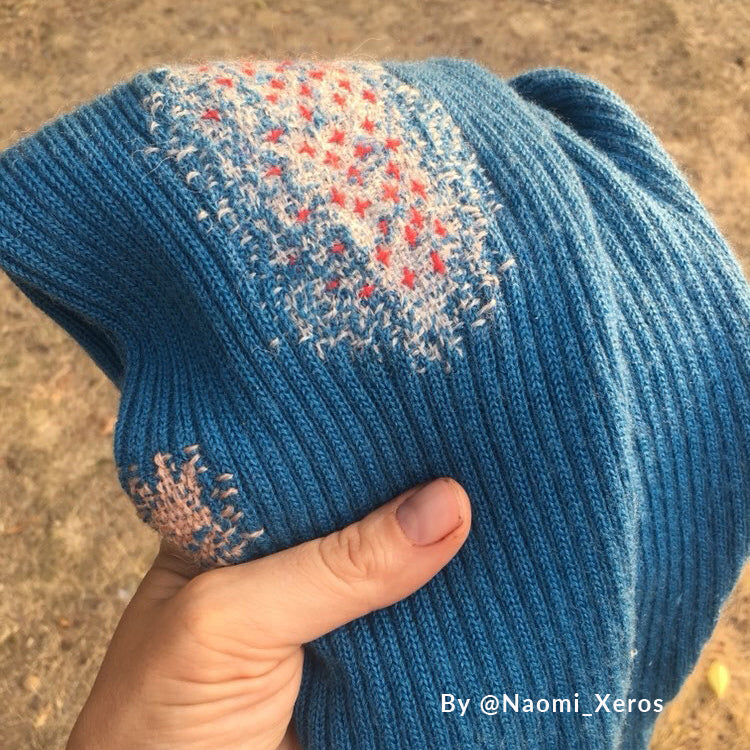
Loved clothes last. We want to help you get the best from your Woollykins for years to come.
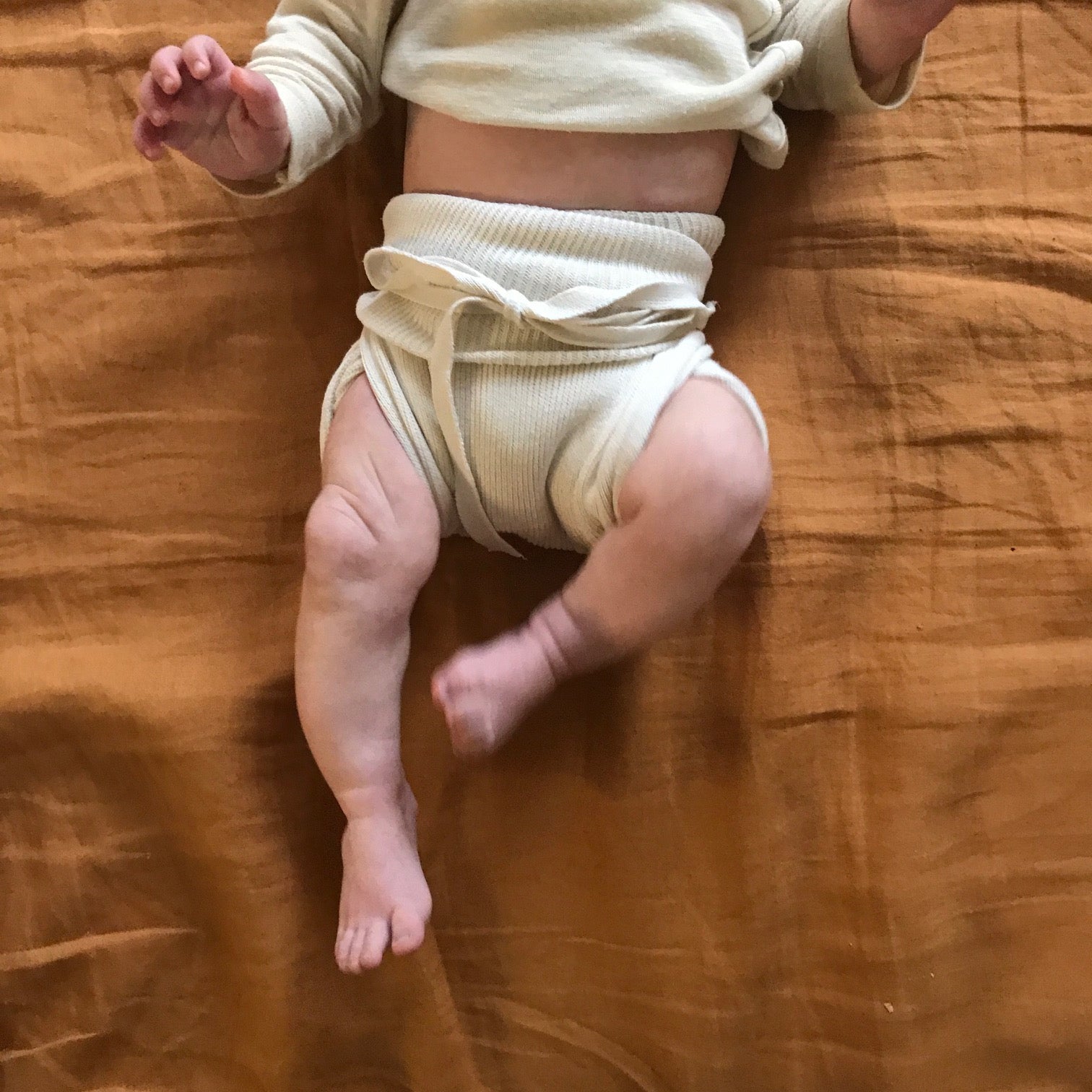
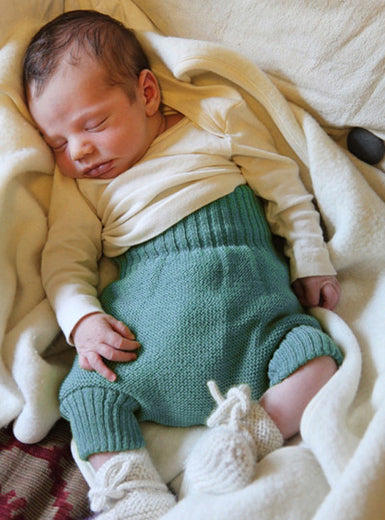
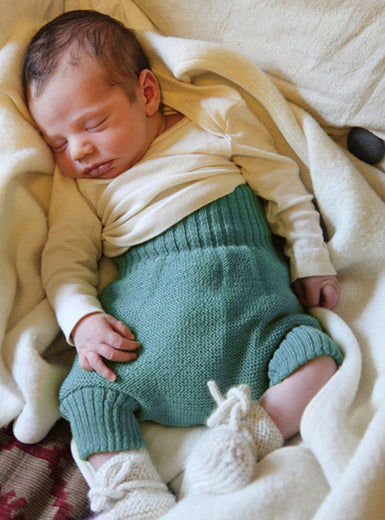
We love Disana's cloth nappy system. 100% organic and plastic-free for natural, toxic-free nappying. We used the Disana system for all three of our babies.
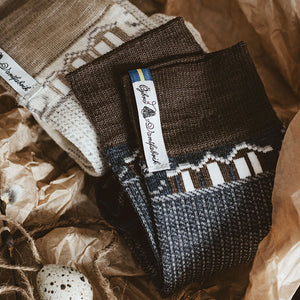
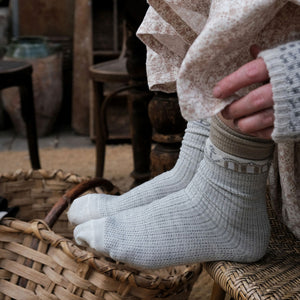
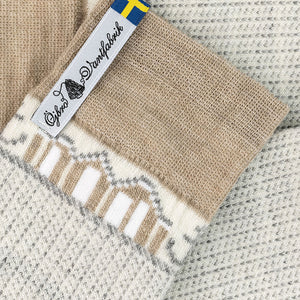
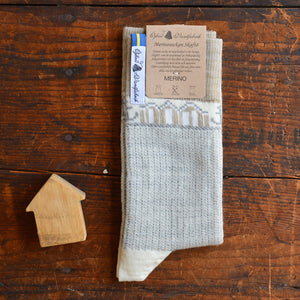
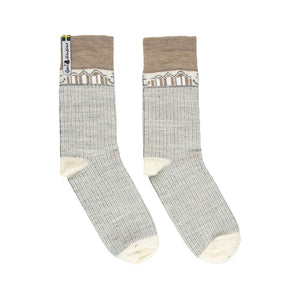
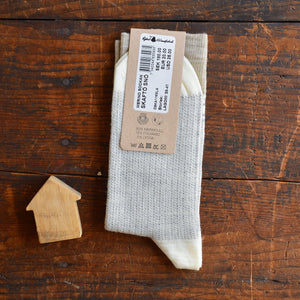
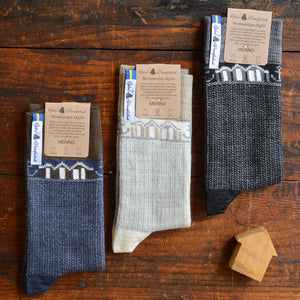
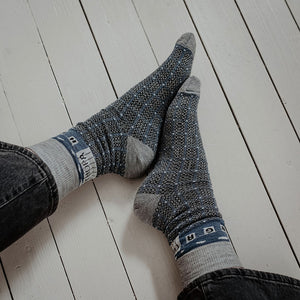
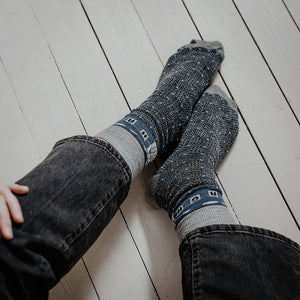
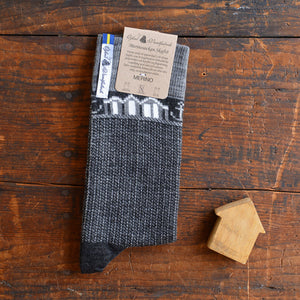
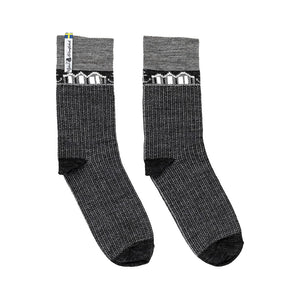
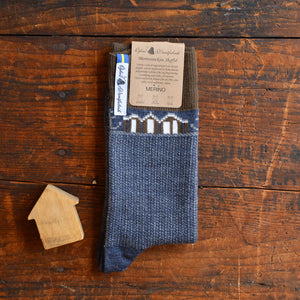
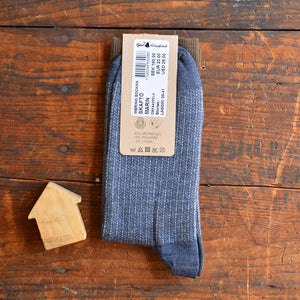
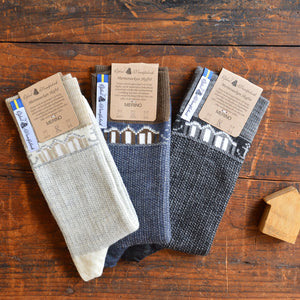
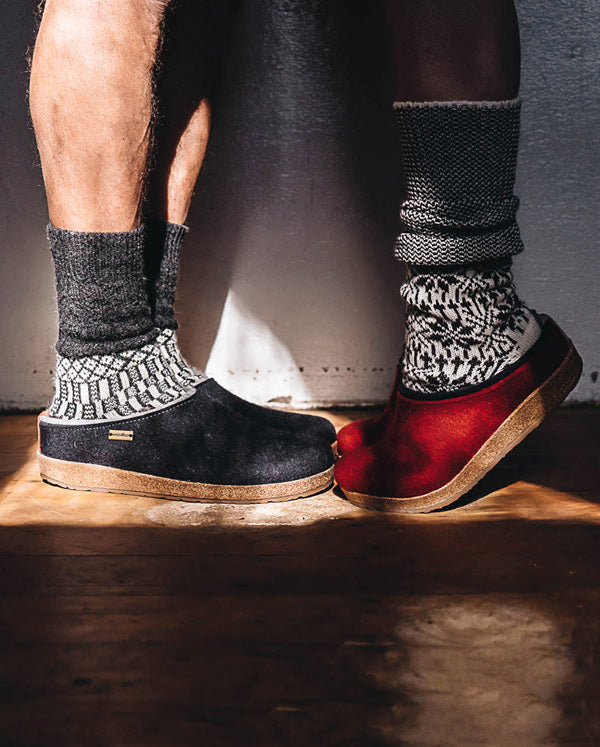
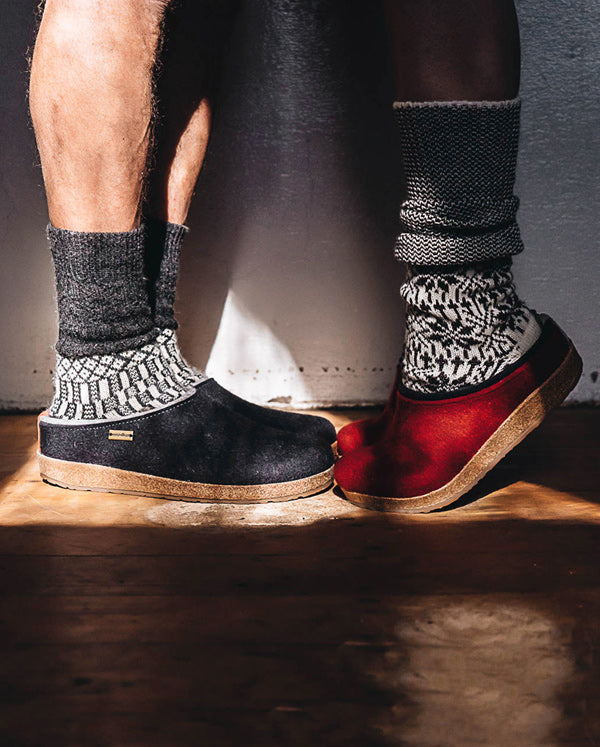
*New! Snuggly Merino wool socks for winter, knitted in patterns inspired by traditional Swedish motifs.
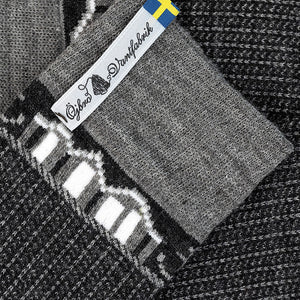
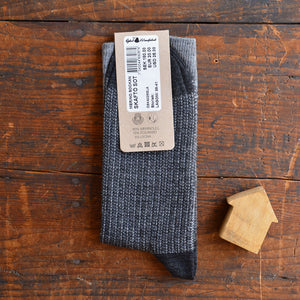
Gorgeous Fine Merino socks made in Sweden by Öjbro Vantfabrik. Knit with reinforced heel & toe for extra strength, and dyed in subtle natural colours. Wonderfully cosy for home, work, or out and about.
Öjbro Vantfabrik is dedicated to preserving and sharing Swedish knitting heritage. Each pair of beautiful jacquard knit socks features a design drawn from traditional patterns and personal stories.
The Skaftö design is inspired by the fishermen on the Swedish island of Skaftölandet. This design is also available in handwarmers, small blanket 90x130cm, and a throw blanket 130x200cm. See below to read the Skaftö story.
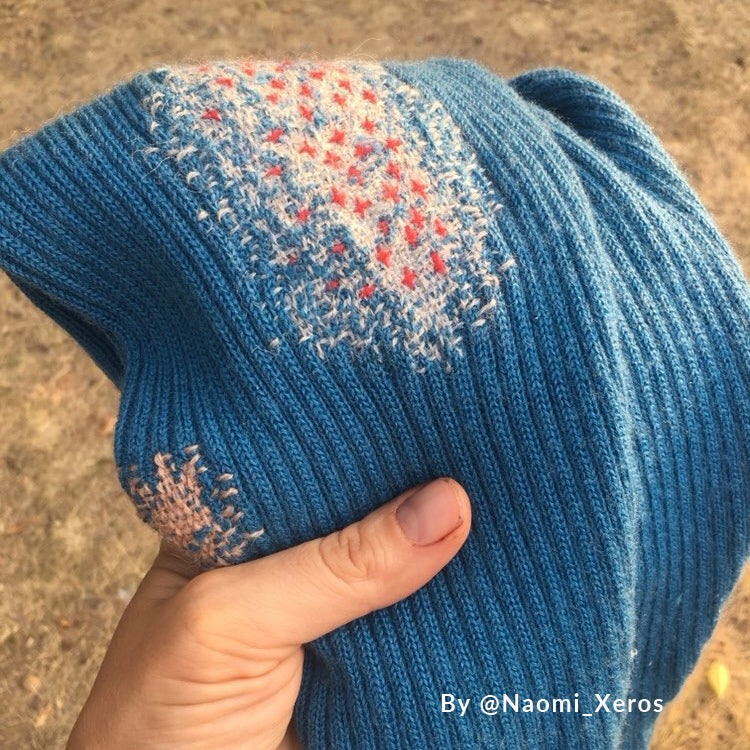
*Buy a pair of adults' socks, get 20% off our Sock Darner's Kit. A wonderful gift for sock lovers, wool lovers and Zero Wasters everywhere! Learn the age old art of darning your socks.
Colours: Skaftö Snow, Skaftö Soot, Skaftö Marine
Sizes: EU38/41, EU42/45
About the fit: Öjbro socks are jacquard-knitted: this is stranded colourwork characterised by floats on the inside which carry the coloured yarns and create such intricate patterns. This means each pair gets its own little personality. It also changes the thickness of the sock, and affects the fit. Some socks fit a bit slimmer, others a bit more “hug-friendly.” Wondering about the fit? See below:
Fit advice:
How to put them on:
Because jacquard socks have floats on the inside, we recommend you put your socks on like your mum used to do for you when you were a child. Bunch them up to the toe, put your foot in place and then unravel the rest of the sock up your leg. Don’t try to just shove your whole foot in from the cuff as your toes might catch some of the floats!!
Brand: Öjbro Vantfabrik
Designed in: Sweden
Origin of Fibre: Italy
Country of manufacture: Sweden
Fabric structure: Knitted from Merino wool with Lycra, reinforced in toe and heel with Polyamide (80% Merino - mulesing free, 5% Lycra, 15% Polyamide)
100% biodegradable: No
Machine Washable: Yes (see our guide to washing wool)
Care: Handwash using a gentle wool shampoo recommended for best results. To machine wash, choose a cold wool cycle, skipping the spin cycle. Dry flat on a towel, gently reshaping while wet. Do not tumble dry. Wool feels comfortable and dry, even when you sweat. It can absorb a lot of moisture (up to 33% of its dry weight). Air between uses, wash only when required.
The story of the Skaftö pattern: Skaftölandet is an island located on the coast of Bohuslän, which is colloquially referred to simply as Skaftö. Designer Åse Öjbro, founder of Öjbro Vantfabrik, celebrates the charm of the Skaftö communities and the fisherpeople who live there. With this design, she is inspired by the colours and shapes of Bohuslän fishing shirts.
The largest communities on the island of Skaftö are Grundsund, Rågårdsvik and Fiskebäckskil. During the herring period in the 1700s, Grundsund developed into a significant fishing and shipping community. During World War I, a canal was dug dividing the community into two parts, the East and west sides. The canal facilitated the passage of fishing boats and sailing ships, and created a safer harbour for the community's fisherpeople and sailors.
A famous Skaftö resident was Carl Wilhelm Wilhelmson, an artist born in 1866 in Fiskebäckskil. Carl Wilhelmson mainly derived his motifs from his native Bohuslän, where he later had a summer villa built, designed by Ivar Callmander, which served as a residence and art studio. The house, which is still in the family's possession, opens its doors to visitors one day a year during the summer.
In Åse Öjbro's words, "the Skaftö pattern was created in Grundsund on a chilly winter day. I am fascinated by this part of Sweden with its picturesque boathouses and piers from different eras. With this pattern, I want to pay tribute to the dedicated professional fishermen, their tireless work on the open seas, year after year regardless of the weather. Fisherpeople - a professional group that works in close harmony with the forces of nature and the shifts of the sea. It is not just a job, but a lifestyle that is often passed down from generation to generation."