Your Cart is Empty

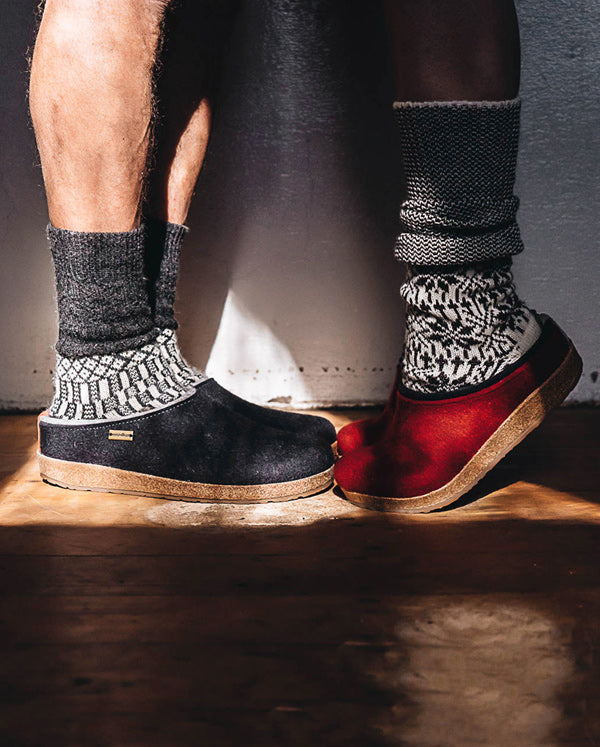
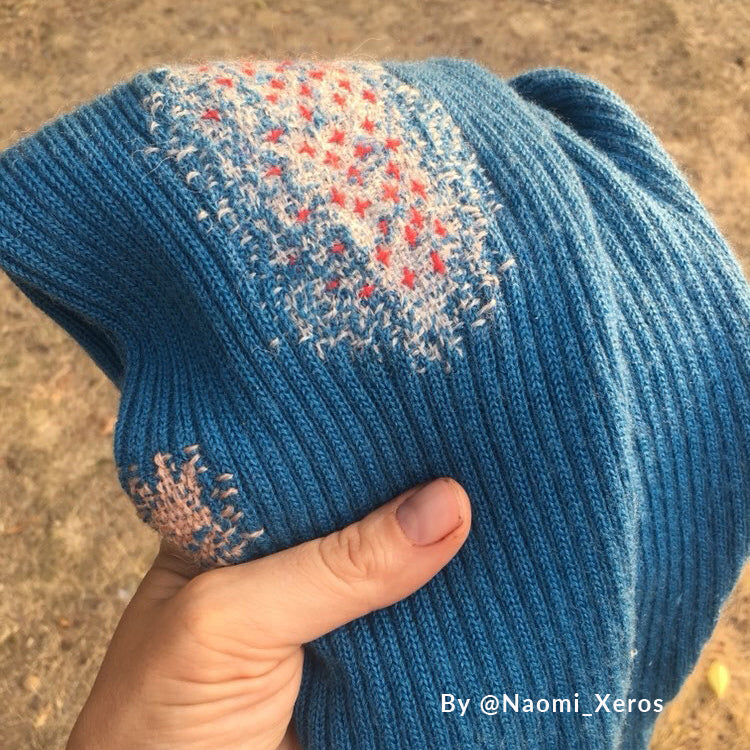
Loved clothes last. We want to help you get the best from your Woollykins for years to come.
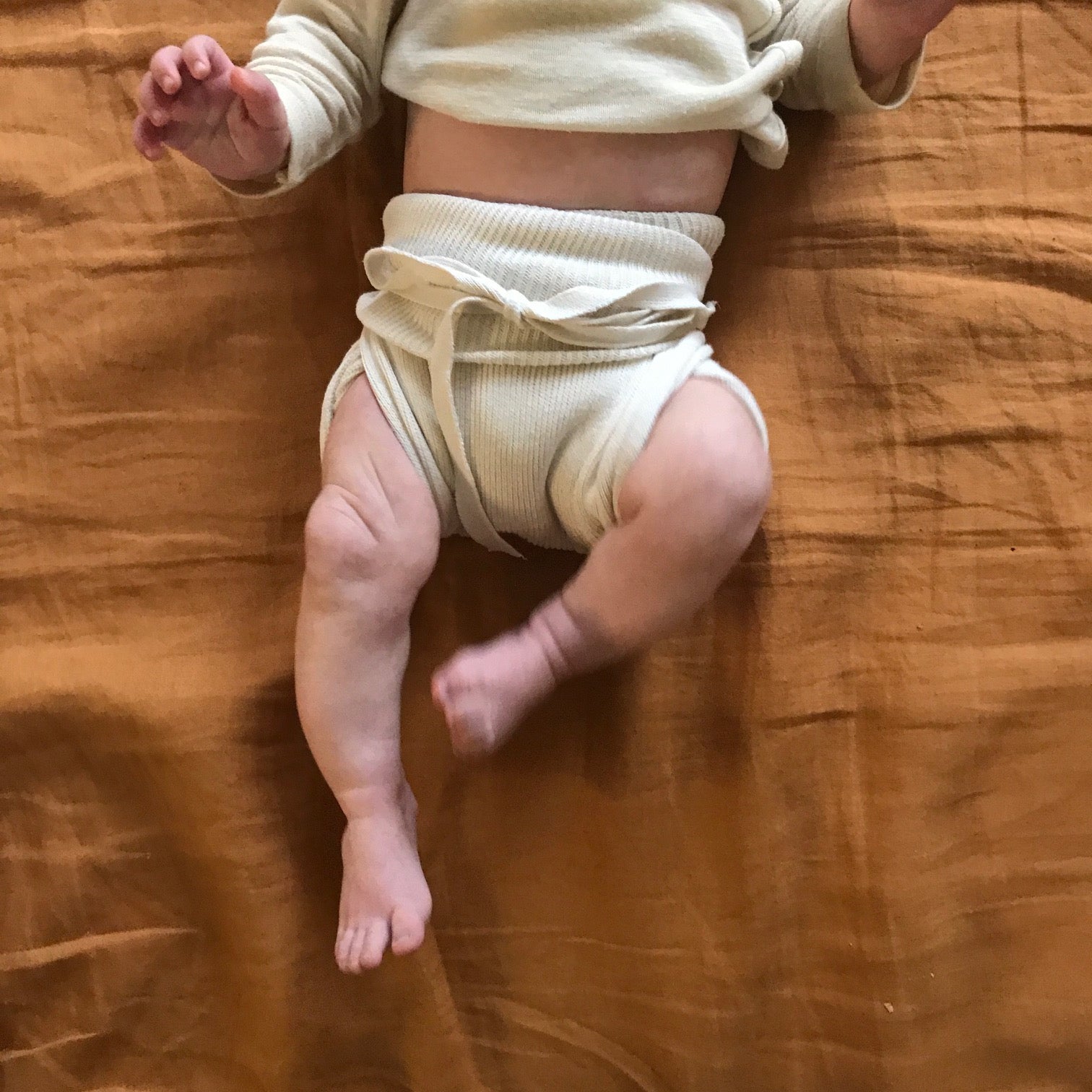
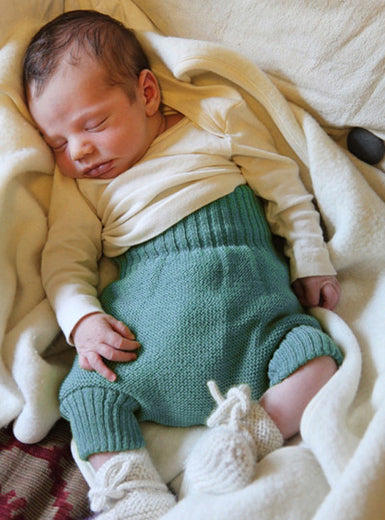
We love Disana's cloth nappy system. 100% organic and plastic-free for natural, toxic-free nappying. We used the Disana system for all three of our babies.
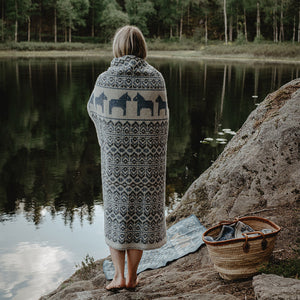
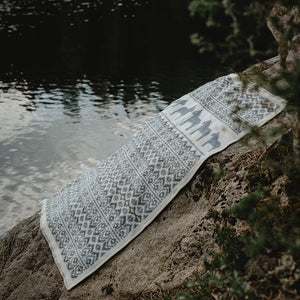
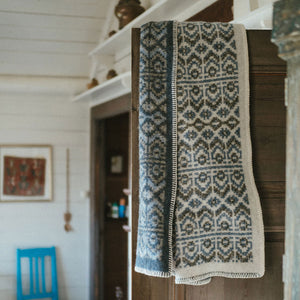
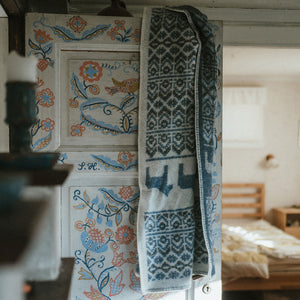
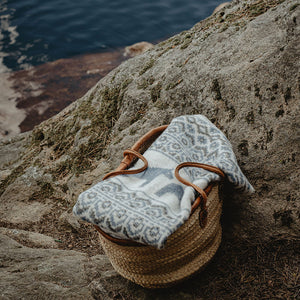

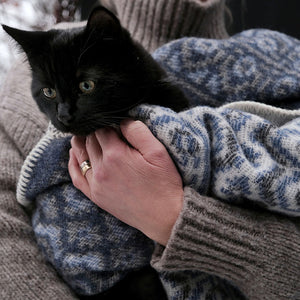
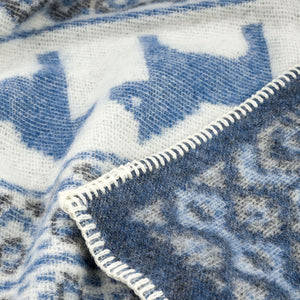
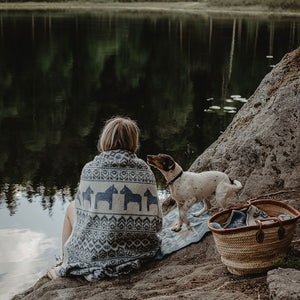
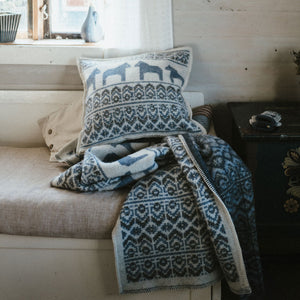
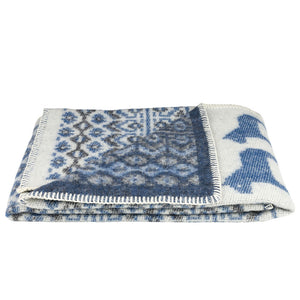
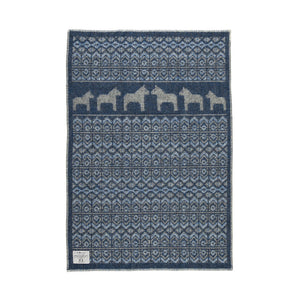
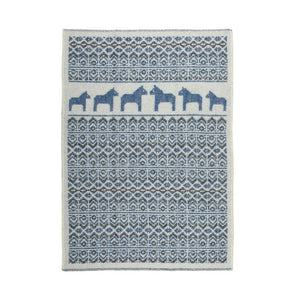
*New! Snuggly wool blanket woven in a beautiful jacquard pattern celebrating Sweden’s traditional Dala horse toy.
This truly gorgeous 100% wool blanket is made in Sweden by Öjbro Vantfabrik and dyed in subtle natural colours. Made from wool sourced from a special sheep breed that crosses Merino with Perendale to create a thicker, more durable wool while retaining the softness of Merino. So soft and warm!
This throw is suitable for all seasons and works beautifully as a blanket for toddlers and the whole family. Larger than a pram blanket, it’s versatile enough for cot use, floor play, and everyday comfort.
Öjbro Vantfabrik is dedicated to preserving and sharing Swedish knitting heritage. The Darlana design is inspired by Sweden's famous Dala horse, which is typically painted with the traditional Kirbits pattern. See below to read the Darlana story.
Colour: Darlana Blue
Size: 130 x 90cm
Brand: Öjbro Vantfabrik
Designed in: Sweden
Origin of Fibre: New Zealand
Country of manufacture: Sweden
Fabric structure: 100% mulesing-free wool, sourced from a special sheep breed that crosses Merino with Perendale to create a thicker, more durable wool while retaining the softness of Merino.
100% biodegradable: Yes
Machine Washable: Yes (see our guide to washing wool)
Care: Handwash using a gentle wool shampoo recommended for best results. To machine wash, choose a cold wool cycle, skipping the spin cycle. Dry flat on a towel, gently reshaping while wet. Do not tumble dry. Air between uses, wash only when required.
The story of the Dalarna pattern: Designer Åse Öjbro, founder of Öjbro Vantfabrik, has created the Dalarna design to celebrate the dalahäst (Sweden's Dala horse, a traditional painted wooden toy). In this design the horse is surrounded by kurbits-inspired decorations.
"I visited Dalarna many times as a child and I will never forget the impressive mine. It was amazing to hear the stories about Falun's important impact on Sweden's prosperity. The mine is no longer active and is now a world cultural heritage site. To me, the Swedish soul is in the red cabins, the folklore theatre and the Swedish crispbread. Dalarna is simply a balm for the soul, and I wanted to honour the most Swedish symbol we have through my interpretation of our dalahäst."
The oldest mention of Dalarna is from the “Sverresagan” from the late 1100s, in which the landscape was called Järnbärarland and was described as a pagan land. Early on, the southern parts of the region, as well as the Bergslagen area, was industrialised. The region otherwise remained a settler area, especially in the areas around Siljan and Dalälven.
Falu mine is one of Sweden's oldest copper mines. The work at the mine was dangerous and arduous, but as early as the 1600s the miners had a fair wage and regulated working hours. Technical knowledge was high, and the best engineers in Europe worked to streamline production. During the 1600s, Falu mine was Sweden's largest and most modern workplace, responsible for over 70 percent of Europe's copper production. The mine was called Sweden's treasure chest and its development influenced the economic, social and political situation in Sweden as well as Europe.